
 Denpasar · Bali Leather Craft
Bali Leather Shoes: Export Quality Footwear
Handcrafted leather shoes from Bali, combining traditional craftsmanship with modern designs. Perfect for international wholesalers and retailers seeking unique, high-quality footwear.
What are you sourcing?
Tell us what you need and we'll guide you to the right product and next steps.
As a buyer seeking top-tier leather footwear, you understand the importance of quality and compliance. Bali’s leather shoe industry offers a unique blend of artisanal craftsmanship and regulatory adherence, making it a prime choice for businesses worldwide. With a focus on handmade quality, Bali leather shoes cater to both custom orders and bulk exports, ensuring flexibility and reliability for your needs.
Understanding Bali’s Leather Shoe Industry
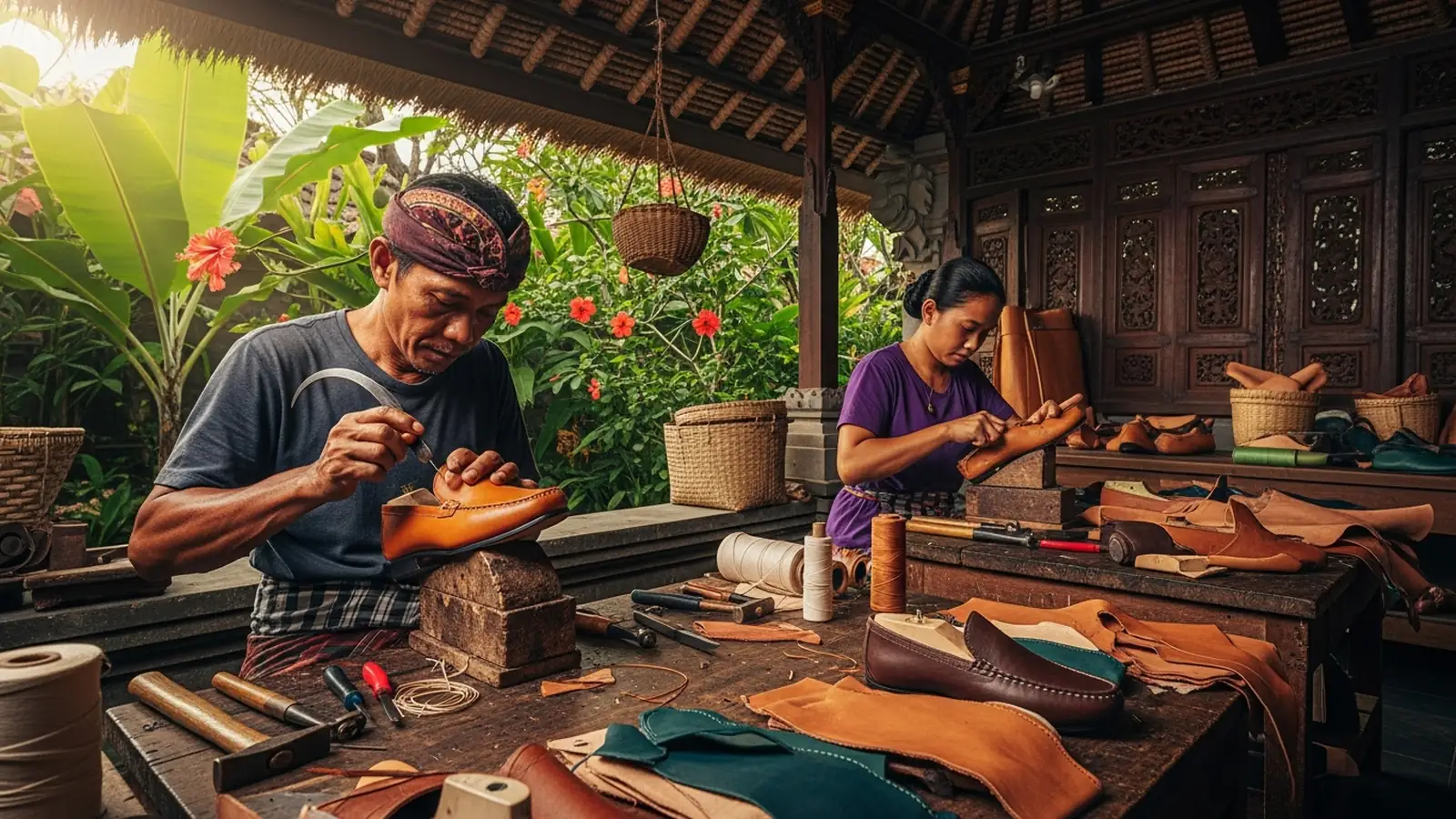
Bali has established itself as a significant player in the handmade leather shoe market. The island is home to numerous small, family-owned workshops, some of which have been in operation for over a decade. These workshops are known for their meticulous attention to detail and ability to produce custom, made-to-measure footwear that meets the high standards expected by international buyers. The market for these shoes extends beyond local tourism, with a significant portion of production dedicated to export. These workshops cater to both walk-in tourists and international buyers through online and social media platforms, showcasing their ability to adapt to diverse customer needs.
Custom Design and Repair Services
Bali leather shoe workshops are not just about mass production; they offer bespoke services that cater to individual preferences. Many shops publicly advertise their ability to create custom leather shoes and boots, allowing buyers to specify designs that align with their brand or personal style. Furthermore, at least one shop offers a one-year repair service, underscoring the confidence these artisans have in their craftsmanship. This focus on customization and after-sales service is a significant draw for international buyers looking for unique, high-quality products. Buyers can expect to pay around 60 AUD (approximately USD 40–45) for a pair of handmade leather shoes in Bali’s retail shops, a competitive price point for mid-range quality.
Export Logistics and Compliance
Exporting from Bali involves navigating Indonesia’s complex logistics and compliance landscape. Most leather shoe exports are routed through major ports like Tanjung Priok in Jakarta or Tanjung Perak in Surabaya, rather than directly from Bali. This process requires customs clearance through Indonesian Customs, including export declarations and correct HS classification under Chapter 64 for footwear. Compliance with these logistics practices ensures that the products meet international shipping standards and reach their destinations without unnecessary delays. Exporters must also adhere to the import regulations of destination countries, ensuring all safety standards and documentation, such as Certificates of Origin, are in place.
Setting Up a PT PMA for Export
Foreign investors looking to establish a fully legal export business in Bali must set up a PT PMA (Penanaman Modal Asing). This structure requires a minimum investment plan of IDR 10 billion (approximately USD 650,000–800,000), with at least IDR 2.5 billion as paid-up capital. The PT PMA must have at least two shareholders, a Director, and a Commissioner, who cannot be the same person. Registration typically takes 2–3 weeks for straightforward cases, though complex situations can extend to 10–12 weeks. The process involves drafting company deeds, registering through the OSS system, and securing necessary licenses. A local office address and Indonesian mobile number are also required for registration.
Labour and Manufacturing Regulations
Manufacturing leather shoes in Bali demands strict adherence to Indonesian labour laws. These include minimum wage requirements, formal employment contracts, and social security contributions (BPJS). Compliance with these regulations is crucial for maintaining a sustainable business and ensuring fair treatment of workers. Many workshops source their leather from Java and other regions in Indonesia, leveraging the country’s established tanning and footwear supply chains. The peak tourist seasons in Bali, during July-August and December, increase short-term demand for retail handmade shoes. However, export orders are typically planned year-round, ensuring a steady production flow.
Choosing the Right Workshop
When selecting a workshop in Bali, consider factors such as the workshop’s history, craftsmanship quality, and ability to meet customization needs. Engaging with a workshop that has been operational for over ten years can provide assurance of their expertise and reliability. Additionally, verify the workshop’s compliance with both local and international regulations, ensuring that they can meet your business’s export requirements. Many foreign investors opt to work with local consultants or lawyers to navigate the complexities of Indonesian regulations, ensuring a smoother setup and operation process.
Material Sourcing and Sustainability
Sourcing high-quality materials is essential for producing exceptional leather footwear. Many Bali workshops obtain their leather from reputable tanneries in Java, known for their durability and finish. These tanneries are committed to sustainable practices, including the use of eco-friendly tanning processes that minimize environmental impact. By selecting sustainable materials, workshops not only adhere to international environmental standards but also appeal to eco-conscious consumers. The emphasis on sustainability extends to other materials used in shoe production, such as natural rubber and recycled components for soles, contributing to a product that is both stylish and environmentally responsible.
Marketing and Brand Development
Building a strong brand is crucial for success in the competitive global market. Bali leather shoe producers often utilize digital marketing strategies to reach international audiences. Social media platforms, online marketplaces, and e-commerce websites serve as vital tools for showcasing products and engaging with potential buyers. Workshops often highlight their unique craftsmanship and bespoke services in marketing campaigns, attracting customers who value originality and quality. Additionally, many producers collaborate with influencers and fashion bloggers to increase brand visibility and credibility, further establishing their reputation in the global footwear industry.
Trends and Market Opportunities
The global footwear market is constantly evolving, with new trends influencing consumer preferences. Bali’s leather shoe industry is well-positioned to capitalize on these trends by offering bespoke designs and high-quality craftsmanship. Current market opportunities include the growing demand for sustainable and ethically-produced footwear, as well as the rising popularity of custom and personalized products. By staying attuned to these trends, Bali workshops can develop innovative designs that cater to niche markets, such as vegan leather alternatives or minimalist styles. This adaptability not only broadens their market reach but also ensures long-term growth and relevance in the industry.
Contact and Enquiry
If you’re ready to explore the opportunities that Bali’s leather shoe industry offers, we invite you to reach out for more information. Our team is here to assist you with any questions and guide you through the process of setting up a successful export operation. Visit our contact page to start a conversation with us today. For more details on our operations, visit our about page or learn about our production capabilities on our factory page.